Who becomes a Certified Nurse-Midwife? Career paths, second degrees, and lived experience
Many CNMs choose midwifery after another chapter of work or study. National data and ACNM career-changer pathways support that story, with important nuance about nursing years before training.
Why this matters when you choose a provider
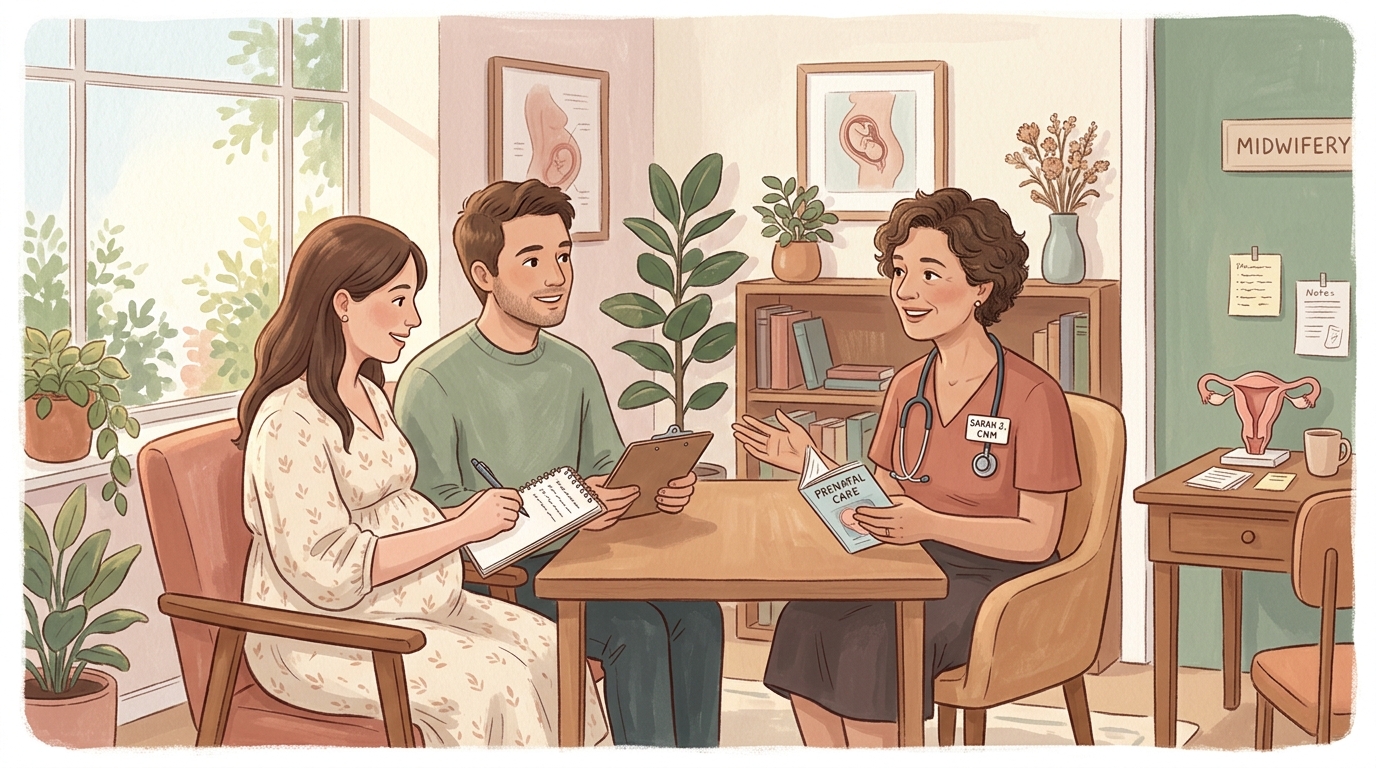
Patients often wonder whether a midwife is "just starting out" or bringing a broader life background into prenatal rooms and labor suites. Midwifery draws people who are deliberate about the work: some after years as labor and delivery nurses, some after non-nursing careers who complete accelerated nursing plus graduate midwifery education, and some who enter nursing mainly as the required step toward the CNM credential. That mix can show up as strong communication skills, calm crisis presence, and respect for autonomy, without guaranteeing any single personality.
What is verifiable (and what is not)
It is accurate to say midwifery is a common destination for career changers and second-degree students. The American College of Nurse-Midwives publishes dedicated guidance for career changers who already hold a bachelor's degree and want to become a CNM or CM. It is not accurate to claim that "most" CNMs had long first careers outside healthcare without citing a single majority statistic. Use the national figures below instead of anecdotes.
What AMCB certification data shows about prior nursing time
ACNM Workforce Study Data Brief No. 3 (2023) analyzed American Midwifery Certification Board data for people applying for the CNM credential in 2017 through 2019. Almost one-quarter of new certificants (22.6%) reported working as a nurse for less than one year before midwifery education. About 15.5% reported never working as a nurse. Just under half (48.4%) worked as a nurse for less than four years, and 57.5% worked less than five years. Fewer than 20% worked as a nurse for 10 years or more. ACNM's implication is important: many people appear to complete nursing education in order to enter the CNM pathway, not because they first built a decades-long nursing career.
Second careers, second degrees, and deliberate pivots
Those short pre-midwifery nursing timelines often reflect second-degree students and career redirectors: people who already finished another bachelor's degree, then completed nursing requirements and graduate midwifery education. ACNM's career-changer materials outline RN-to-midwifery sequences and combined programs that take roughly three years of full-time study (or part-time equivalents) after a prior BA/BS. Others do work years in labor and delivery, ICU, or women's health before applying to midwifery school. Both routes produce nationally certified CNMs; neither is "more real" midwifery.
Age and experience once someone is in practice
Workforce surveys of practicing midwives often report a mean age near 50, which usually means you are meeting clinicians who have practiced for years, not only newly graduated students. Older AMCB snapshots have also shown newly certified midwives with mean ages in the mid-30s. Average age is not the same thing as "second career," but together with career-changer pathways it helps explain why many CNMs bring maturity, prior work identity, and intentional professional choice into patient care.
What to ask your Arizona hospital midwife
If background matters to you, ask directly and kindly: How long have you practiced as a CNM? What clinical settings shaped you before midwifery school? How does the practice handle nights, backup, and transfer to OB? Credentials and hospital privileges matter more than resume romance, but a transparent career story can build trust. Pair that conversation with a written birth preference summary and a clear plan for your preferred Phoenix-area hospital.
Take the next useful step
Keep learning on your terms. Build a one-page hospital preference PDF, browse Arizona hospital midwife locations, or explore MomDoc Midwives as a transparent partner directory for hospital CNM care.
More educational guides
Educational content only. Not individual medical advice. Confirm hospital policies and Arizona Board of Nursing guidance with your care team. Sources